






















GH¢3.87m Lost to SIM Swap Fraud in 2025

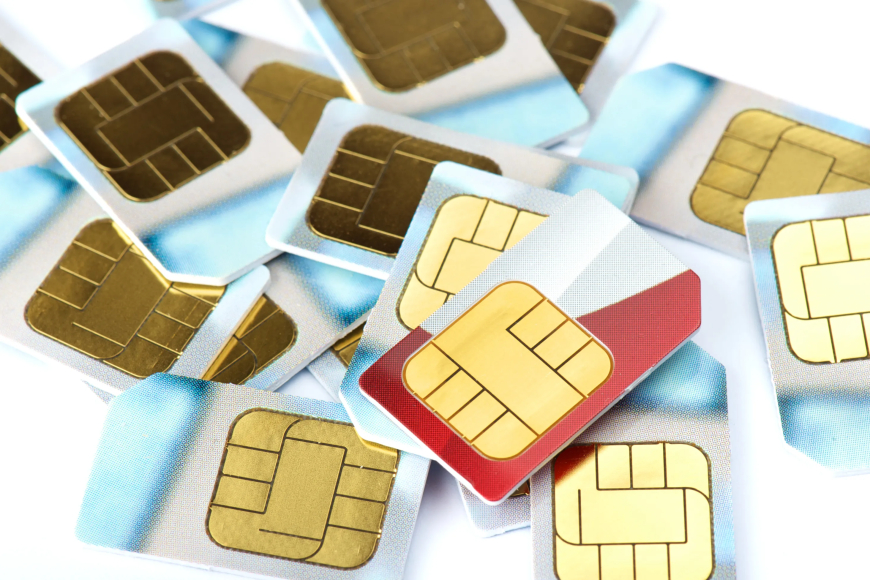
SIM swap fraud continues to threaten Ghana’s banking ecosystem as fraudsters exploit weaknesses in mobile identity systems to gain access to customers’ accounts, even as overall banking fraud cases declined significantly in 2025.
The Banks, Specialised Deposit-Taking Institutions (SDIs) and Payment Service Providers (PSPs) 2025 Fraud Report identified SIM-swap-related fraud as one of the emerging digital risks confronting financial institutions, driven by the increasing reliance on mobile banking, mobile money and electronic financial services.
The report showed that while banks recorded a decline in overall fraud incidents, with cases dropping from 716 in 2024 to 472 in 2025, representing a 34 per cent reduction, digital fraud schemes continued to pose serious challenges.
SIM swap-related fraud recorded a value at risk of approximately GH¢3.87 million in 2025, highlighting the financial impact of criminals gaining unauthorised access to customers’ mobile numbers and linked financial accounts.
The rise of SIM swap attacks reflects the growing sophistication of fraudsters who target the connection between mobile phone identities and banking services.
The report noted that the continued growth of digital financial services has created new opportunities for fraudsters to exploit vulnerabilities across banking platforms.
Beyond SIM swap fraud, other electronic-related fraud categories recorded significant financial exposure.
E-money fraud increased from GH¢3.5 million in 2024 to GH¢4.6 million in 2025, representing a 32 per cent rise, while fraudulent withdrawals surged by 118 per cent, increasing from GH¢1.82 million to GH¢3.97 million during the same period.
The findings indicate that criminals are increasingly shifting from traditional fraud methods to technology-driven attacks targeting customers’ digital identities.
Although fraud cases declined, banks still recorded a total value at risk of GH¢57 million in 2025, representing a 24 per cent reduction from the GH¢75 million recorded in 2024.
Cash suppression remained the biggest financial threat to banks, accounting for GH¢40.7 million in value at risk, followed by e-money fraud, fraudulent withdrawals, ATM/POS fraud and burglary.
ATM/POS fraud recorded some improvement, declining from GH¢4.14 million in 2024 to GH¢2.43 million in 2025, representing a 41 per cent decrease.
While banks recorded a decline in fraud cases, the Payment Service Provider (PSP) sector experienced a major increase in electronic fraud incidents.
The report revealed that PSPs recorded 24,124 electronic fraud cases in 2025, compared with 15,673 cases in 2024, representing a 54 per cent increase.
The value at risk within the PSP sector also nearly doubled, rising from GH¢19 million in 2024 to GH¢37 million in 2025, representing a 95 per cent year-on-year increase.
The figures highlight the growing risks associated with digital payments as more consumers and businesses rely on mobile and electronic transactions.
The report stressed the importance of strengthening fraud prevention systems as financial institutions continue to expand digital services.
Experts say addressing SIM swap fraud requires stronger collaboration between banks, telecom operators, regulators and customers through improved identity verification, enhanced customer authentication and faster fraud reporting mechanisms.
Customers are also encouraged to remain vigilant by protecting personal information, avoiding sharing banking credentials and immediately reporting suspicious changes to their mobile services.
The report concludes that while Ghana’s financial sector is making progress in reducing traditional fraud, the future battle against financial crime will increasingly be fought in the digital space, where SIM swap attacks and other cyber-enabled schemes remain significant threats.
Click the link Puretvonline.com | WhatsApp Channel to join the WhatsApp channel
Contact/WhatsApp: +233243201960 or manuelnkansah33@gmail.com