



COPEC Urges Government to Cut GH¢1 Fuel Levy to 50 Pesewas in Mid-Year Budget

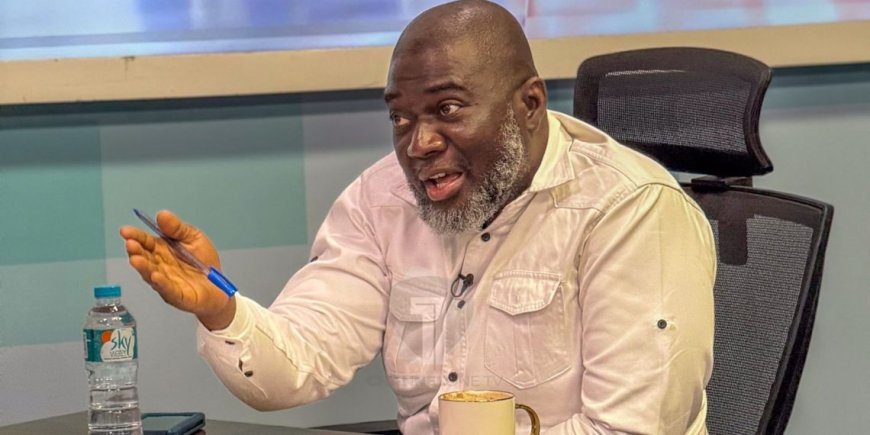
The Chamber of Petroleum Consumers (COPEC) has called on the Ministry of Finance to reduce the GH¢1 fuel levy to 50 pesewas as part of measures to ease pressure on fuel prices and reduce the cost burden on consumers and businesses.
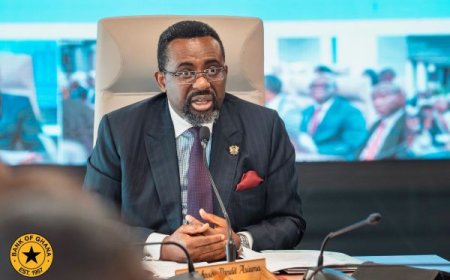
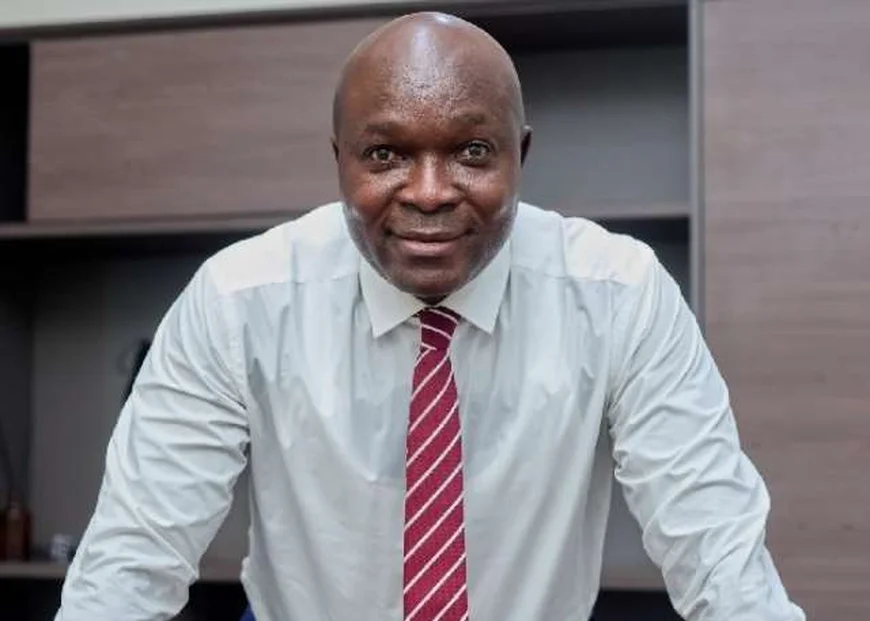
The levy was introduced to support efforts to address challenges in the power sector, but COPEC Executive Secretary Duncan Amoah believes the charge should not remain indefinitely.
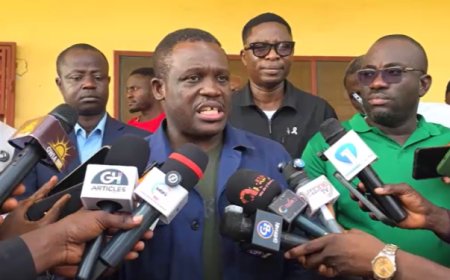
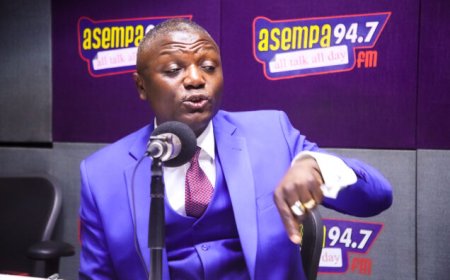
Speaking to Citi Business News ahead of the 2026 mid-year budget review, Mr Amoah said the levy could be gradually reduced while still generating revenue to support the power sector.
He argued that a reduction in the levy would provide relief to consumers while maintaining a balance between revenue mobilisation and affordability.
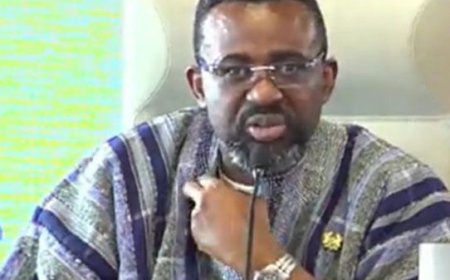
“I do not think that that levy should also remain in perpetuity. Up to a point, we should be able to ease up on it and tell the Ghanaian that we had a crisis situation. We have been able to stabilise that. Maybe we can reduce it to 50 pesewas at some point,” he said.
Duncan Amoah argued that reducing the levy would help bring down the cost of fuel, which has significant implications for government expenditure and the wider economy.
According to him, higher fuel prices increase the cost of government operations and contracts, putting additional pressure on public finances.
“Anytime fuel prices are higher, the government will pay more. Government contracts would equally escalate. So it is in our collective interest as a people to bring down the cost of fuel so that government itself does not overspend or overrun its own budget,” he added.
COPEC’s call comes at a time when renewed geopolitical tensions have pushed up international crude oil prices and intensified pressure on Ghana’s ex-pump fuel prices.
The rise in global oil prices, coupled with movements in the cedi, has contributed to higher domestic pricing pressures, with oil marketing companies adjusting pump prices in response to developments in the international market.
The latest increases have also reflected higher price floors set by the National Petroleum Authority, raising concerns that continued geopolitical tensions could result in further increases in fuel prices in subsequent pricing windows.
Duncan Amoah therefore believes reducing domestic taxes and levies, particularly the GH¢1 charge on petroleum products, could provide some relief to consumers and businesses.
“So some of the taxes, particularly the GH¢1 [fuel levy], we could begin looking at ways to bring it down,” he stressed.
In the power sector, Duncan Amoah commended the relative stability in electricity supply but urged the Finance Ministry to maintain timely interventions to Independent Power Producers (IPPs).
He said continued payments to IPPs would be critical to reducing outstanding debt and maintaining confidence in the power sector.
Click the link Puretvonline.com | WhatsApp Channel to join the WhatsApp channel
Contact/WhatsApp: +233243201960 or manuelnkansah33@gmail.com