





















Cedi Loses Over 11% Against Dollar As Import Demand, Energy Costs Bite

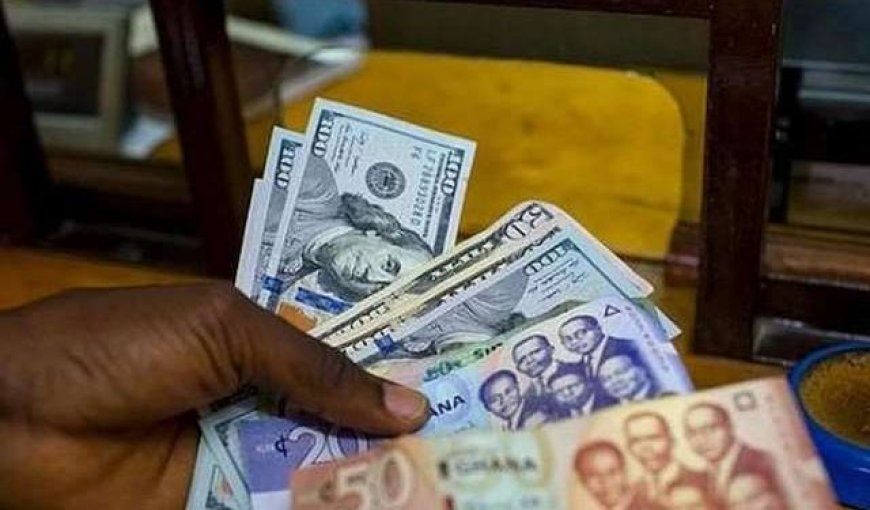
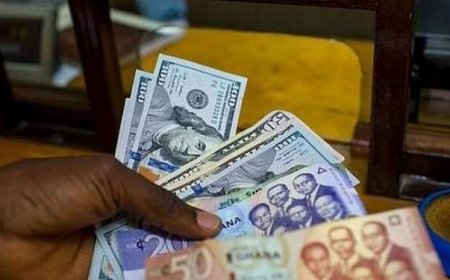
The Ghana cedi has lost more than 11% against the US dollar so far this year, as seasonal import demand and higher energy costs continue to weigh on the local currency.
The pressure persisted over the past two weeks despite intermittent foreign exchange supply.
The cedi recorded a mixed performance against other major currencies, highlighting continued volatility in the forex market.
On the interbank market, the cedi depreciated by 1.42% against the US dollar to trade at GH¢11.78. It was also weakened by 1.29% against the British pound, closing at GH¢15.56.
However, the local currency appreciated by 0.35% against the euro to GH¢13.14.
At forex bureaus, the cedi lost 1.45% against the dollar, which traded at an average of GH¢12.10. The currency performed better against the pound and euro, gaining 0.47% and 0.55%, respectively.
It closed the period at GH¢15.55 to the pound and GH¢13.30 to the euro.
Spot-gold sales through GoldBod and foreign exchange interventions by the Bank of Ghana could provide some short-term support for the cedi, but these measures may trigger a temporary appreciation and a brief period of relative stability.
However, a sustained recovery will depend on whether foreign exchange inflows can meet seasonal import demand without undermining the central bank’s efforts to build its international reserves.
Market players such as DataBank Research project the dollar to trade within a broad range of GH¢11.60 to GH¢12.10 in the near term, with the cedi facing further depreciation risks if energy costs and import demand outpace available foreign exchange supply.
“Looking ahead, we expect GoldBod’s spot-gold sales and BoG interventions to provide near-term support, potentially triggering a sharp appreciation surprise and a brief 4 to 5-day period of stability,” Databank Research said.
The research firm, however, cautioned that the durability of any recovery would depend on the strength of foreign exchange inflows relative to seasonal import demand.
“Sustained appreciation will depend on whether spot inflows can soften seasonal import demand without compromising the BoG’s reserve-accumulation target,” it added.
For businesses that rely on imported goods, raw materials and fuel, continued weakness in the cedi could increase operating costs and put pressure on prices.
A sustained improvement in the currency’s performance will depend on stronger foreign exchange inflows and the balance between dollar supply and demand.
Click the link Puretvonline.com | WhatsApp Channel to join the WhatsApp channel
Contact/WhatsApp: +233243201960 or manuelnkansah33@gmail.com