








Tribunal Bill Must Not Become Law — Minority

The Minority in Parliament has restated its opposition to the reintroduction of public tribunals and called on President John Dramani Mahama not to assent to the bill.
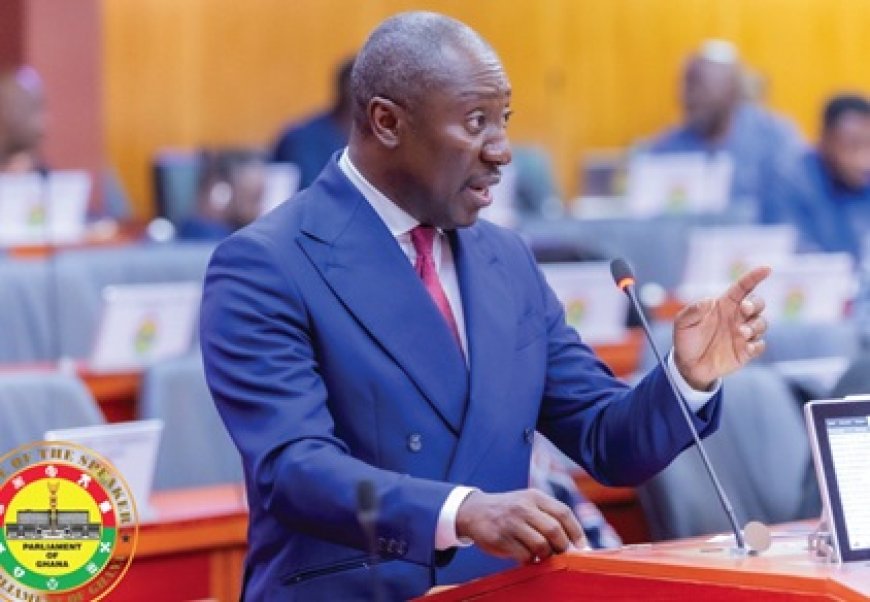
“The enactment of a bill to create district and regional tribunals creates a lot of apprehension in sections of our society," the Leader of the Minority, Alexander Afenyo-Markin, said in his closing address in Parliament last Friday when the House adjourned sine die.
“We, the Minority, say to President Mahama: do not sign this bill. Send it back. Listen, for once, to your own committee. A tribunal built to be used against your opponents today can be turned on you tomorrow. Nobody wins that game. "Only the law loses,” the minority leader stated.
Having listed a litany of events such as the handling of the June 29 flood disaster, the military recruitment and the fight against galamsey, which Mr Afenyo-Markin described as broken promises of the ruling National Democratic Congress (NDC), he stated: “this NDC government is now embarking on actions that have grave consequences on our justice system.”
While acknowledging that the 1992 Constitution, in Article 125, provides for citizen participation in justice through public tribunals, and that Articles 142 and 143 provide for Regional Tribunals, Mr Afenyo-Markin said the same Constitution also empowered the President to constitute a Constitutional Review Committee, which advised the expunction of the tribunal system after its work.
“Chaired by Professor H. Kwasi Prempeh, a man of real standing, the committee studied the very question of the tribunals, and in December last year, it reported to the President.
"It's advice was simple: expunge the tribunal system, replace it with ordinary courts,” the Minority Leader said.
He added that the President's own reviewers told him to close that door.
“Instead, his side in Parliament forced it open, at midnight, on Friday the 16th of July, while most of Ghana slept.
This minority refused to add our voice to that vote. We stood up.
We walked out. So history would have no doubt where we stood,” Mr Afenyo-Markin explained.
He told Parliament that the minority rejected the bill because “the country had walked ‘this dangerous road before’.”
He recalled the 1980s, when public and community tribunals were accused of grave human rights abuses and labelled “kangaroo courts”.
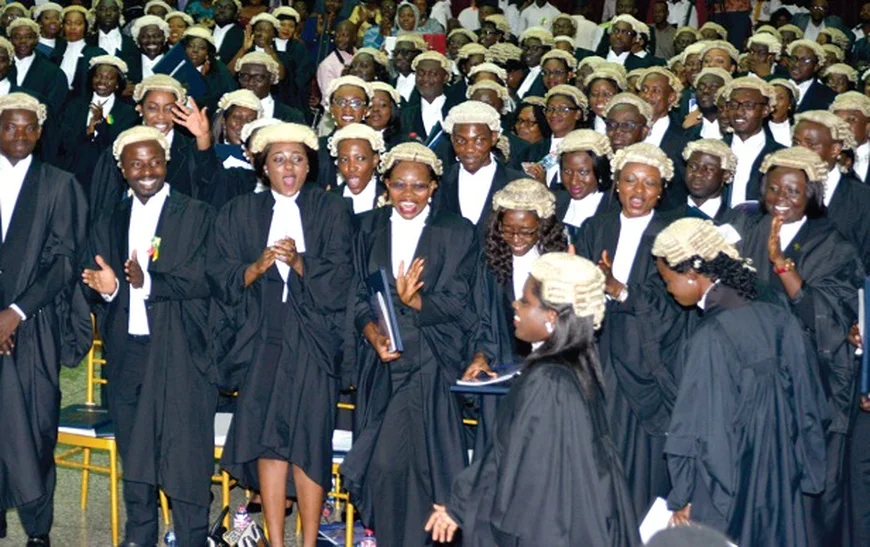
Mr Afenyo-Markin said the bill contains safeguards on paper, such as requiring panel members of high moral character, “but also says that ‘they may or may not be lawyers’.”
The minority interprets this to mean that persons without legal training could adjudicate serious cases of fraud, tax, and mining offences and would be shielded by immunity for their decisions.
“Power, without training, wrapped in immunity, is not a small risk in a country with our history,” Mr Afenyo-Markin said.
He explained that if today the Court of Appeal had cause to rule that High Court Judges were making mistakes in applying the law, he wondered what non- judges would do when people were hauled before them.
The Minority is also studying the government’s position paper on proposed constitutional changes flowing from the CRC’s work.
“This is a serious and delicate matter, which we will study thoroughly with our national party and respond to properly at another time,” Mr Afenyo-Markin stated.
In spite of describing the courts earlier as “a timid or malleable judiciary”, the Minority Leader commended the Supreme Court for upholding the constitutionality of the Office of the Special Prosecutor (OSP), saying that office “is a safeguard for this nation”.
He, however, expressed worry about the aspect of the ruling that upheld the Attorney General's power to enter a nolle prosequi in cases the OSP was handling.
“This government has a track record of using that very power to quietly end prosecutions that began before January 2025,” he added.
That power, the Minority Leader said, must never become a shield for the connected and a sword for the powerless, stressing, “We will be watching.”
Mr Afenyo-Markin summarised the minority's stance in the House this session: “We stood for the dead of June. We stood against a tribunal built for revenge.
We stood for a free press and for free speech. We stood against galamsey, wherever it hides, and for courts that hold every Ghanaian to the same standard, including the government of the day.”
“Mr Speaker, when we weigh all of this together, one picture emerges, and it is the same picture I named when I rose to speak tonight.
Executive incompetence, because this government has failed on almost every measure that matters to the ordinary Ghanaian: on the economy, on its own promises, on protecting our people from disaster, and on delivering the reset it promised us.”
The Minority’s walkout during the passage of the bill, he said, was to place on record its rejection of a tribunal system it believes threatens judicial independence and the rule of law.
Click the link Puretvonline.com | WhatsApp Channel to join the WhatsApp channel
Contact/WhatsApp: +233243201960 or manuelnkansah33@gmail.com