

















Supreme Court To Rule On Challenge To Political Parties’ Delegate System On July 29

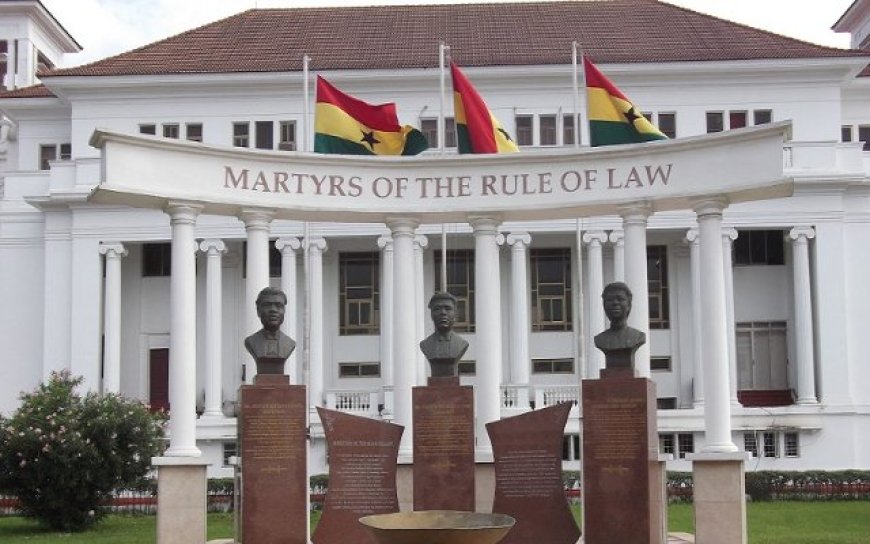
The Supreme Court has set July 29, 2026, to deliver judgement in a landmark suit challenging the delegate system used by political parties to elect their leaders and presidential candidates.
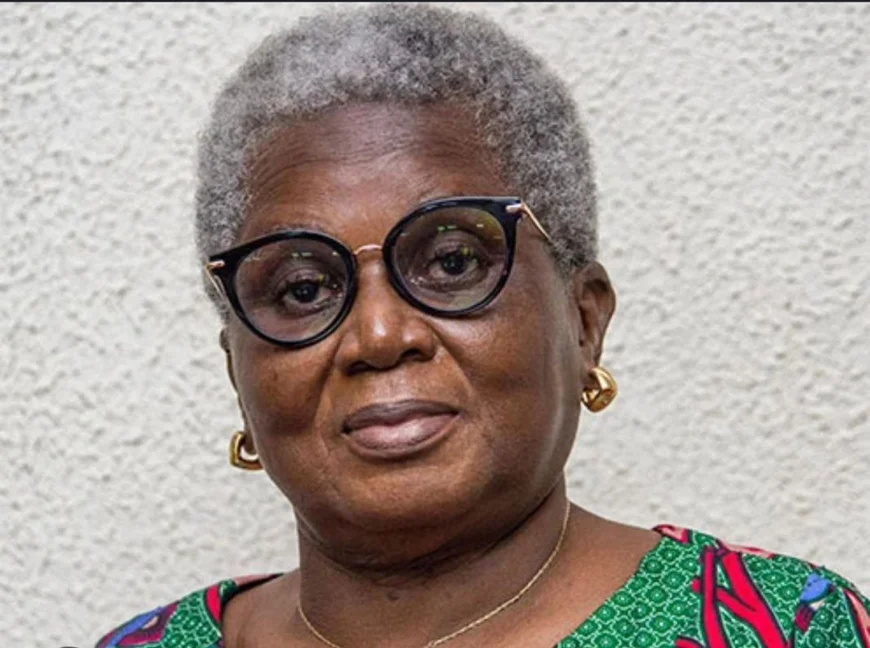
The case was brought by former minister for environment, science, technology and innovation Prof. Kwabena Frimpong-Boateng, together with Dr Nyaho Nyaho-Tamakloe and former lands and forestry minister Dr Christine Amoako-Nuamah.
The apex court has also dismissed an application by the Liberal Party of Ghana seeking to join the proceedings.
According to the court, the party failed to apply within the stipulated timeframe. The seven-member panel reached its decision after hearing submissions from counsel for the party and concluded that the applicant had not acted within a reasonable period to be joined to the case.
The substantive suit challenges the legality and constitutionality of the delegate-based electoral college system used by major political parties, including the New Patriotic Party (NPP), the National Democratic Congress (NDC) and the Convention People's Party (CPP).
The plaintiffs argue that the current arrangement restricts voting rights to a relatively small group of party executives, office holders and selected delegates while excluding the overwhelming majority of party members from participating in the selection of presidential and parliamentary candidates.
According to them, the system creates a privileged class of voters, disenfranchises ordinary members in good standing and undermines the democratic principles of equality and participation enshrined in the 1992 Constitution.
Represented by lawyer Oliver Barker-Vormawor, the plaintiffs contend that political parties, as constitutional entities, must organise their internal affairs in a manner consistent with democratic governance.
They are therefore seeking a move towards universal suffrage within political parties, which would allow all members in good standing to vote directly in internal elections.
The suit specifically challenges provisions in the constitutions of the NPP, NDC and CPP that establish delegate-based voting systems for the election of party leaders and presidential candidates.
The Electoral Commission (EC) has also been joined as a defendant. The plaintiffs accuse the Commission of failing to enforce provisions of the Political Parties Act requiring political parties to maintain internal structures that comply with democratic principles.
Among the reliefs being sought are the following:
-
A declaration that the delegate systems of the NPP, NDC and CPP are unconstitutional.
-
An order compelling the parties to amend their constitutions to permit equal and direct voting by all members in good standing.
-
A directive requiring the Electoral Commission to scrutinise political party constitutions for compliance with democratic principles.
-
A declaration affirming political equality and equal voting rights for all party members, irrespective of their position within a party.
The Supreme Court's ruling is expected to have significant implications for the internal democratic processes of political parties and could potentially reshape how presidential and parliamentary candidates are selected in Ghana.
Click the link Puretvonline.com | WhatsApp Channel to join the WhatsApp channel
GOT A STORY?
Contact/WhatsApp: +233243201960 or manuelnkansah33@gmail.com