























Gabon: GSMA Calls for Smartphone Tax Cuts to Connect 190,000 More People by 2031

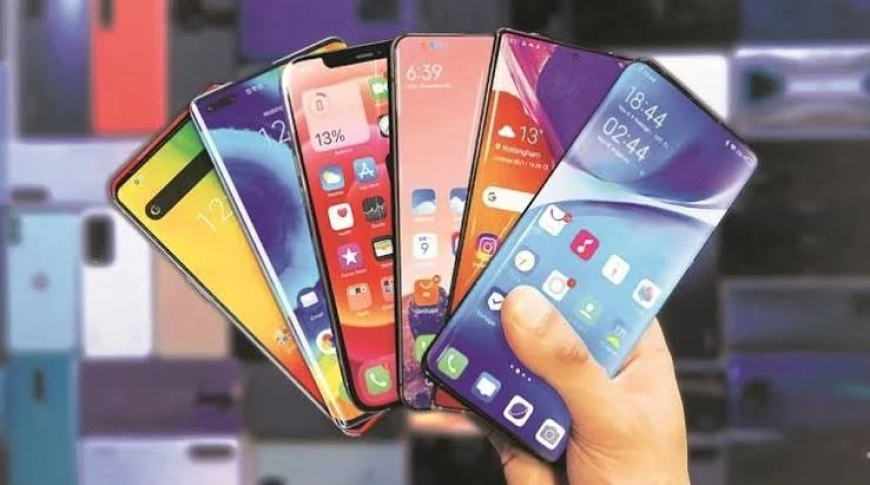
The Global System for Mobile Communications Association (GSMA) has called on the Gabonese government to introduce reforms to telecommunications taxation, reduce smartphone costs and expand digital public services to bridge the country's mobile internet usage gap.
In a new report titled Gabon’s Digital Economy: Policy Reforms That Will Drive Gabon’s Digital Future, published on October 30, 2026, the GSMA said more than half of Gabon's population live within mobile broadband coverage but do not use mobile internet, limiting their ability to access education, employment opportunities and essential services.
Although the country has made significant progress in expanding connectivity, the report notes that only four in 10 people currently use mobile internet, despite 4G coverage reaching 95 per cent of the population. Only five per cent of mobile connections remain exclusively on 2G networks.
The GSMA estimates that coordinated policy reforms could connect an additional 190,000 people to mobile internet by 2031, while increasing unique mobile internet subscribers from 1.06 million in 2026 to 1.48 million.
Without the proposed reforms, subscriber numbers are projected to reach only 1.30 million by 2031.
The report further projects that the reforms would pay for themselves by 2028 and generate an additional US$107 million in annual public revenue by 2031.
A major concern identified in the report is the affordability of smartphones, particularly among low-income households.
It indicates that although 83 per cent of adults in Gabon's poorest 40 per cent of households own a mobile phone, only about half have access to smartphones.
The GSMA points out that smartphones attract an 18 per cent Value Added Tax (VAT), compared with 10 per cent for laptops and desktop computers.
It is therefore recommending reduced VAT on a clearly defined category of entry-level smartphones, alongside flexible financing arrangements to make devices more affordable.
Citing developments in South Africa, GSMA analysis said the removal of a nine per cent luxury excise duty on smartphones priced below approximately US$150 contributed to around 1.1 million additional entry-level smartphone sales within the first 11 months, according to its analysis.
The GSMA is also urging handset manufacturers, memory and chipset suppliers, mobile network operators and financing partners to work together to reduce device costs and improve the availability of affordable smartphones.
Angela Wamola, Head of Africa at the GSMA, said Gabon must now focus on making connectivity more accessible and useful to its population.
“Gabon has built a strong foundation for connectivity. The next step is to make it accessible and useful to more people,” she said.
She added that affordable smartphones, practical digital skills and access to everyday public services through mobile devices could help more people get online while strengthening the country's economy.
Digital Public Services and Telecommunications Taxes
Beyond smartphone affordability, the report identifies digital government services as another critical intervention in expanding mobile internet adoption.
Gabon has already made progress through the digitalisation of customs offices and the introduction of the Digitax online tax platform.
However, the GSMA believes expanding such services to cover health, education, payments and administrative procedures could encourage more people to use mobile internet.
It recommends prioritising services that directly benefit lower-income households, particularly those in small and medium-sized towns, while simplifying administrative processes before moving them online.
The report also highlights the country's existing mobile money ecosystem, noting that 62 per cent of adults hold mobile money accounts, providing a foundation for expanding everyday digital payments.
On telecommunications taxation, the GSMA says operators currently face sector-specific charges equivalent to 11 per cent of their gross revenue, increasing the cost of network deployment and operations.
It is proposing a gradual reduction of these charges to three per cent, simplification of the broader fee structure and possible VAT exemptions for strategic digital infrastructure, including data centres.
The association is further calling for the implementation of outstanding decrees under the country's electronic communications, electronic transactions and cybersecurity laws.
Other recommendations include publishing a national spectrum roadmap and Universal Service Fund accounts, as well as addressing electricity and operational costs affecting rural telecommunications sites.
Although 4G coverage stands at 95 per cent nationally, rural 4G coverage remains at 70 per cent, underscoring the need for further investment to extend reliable connectivity to underserved communities.
The GSMA says several priority reforms could be implemented within six months without significant direct costs to the public budget, potentially creating favourable conditions for private investment.
It maintains that as Gabon advances its digital connectivity agenda, including the rollout of 5G, the country's success should not be measured solely by network capabilities but also by how many people can afford to access and use digital services to improve their livelihoods.
Click the link Puretvonline.com | WhatsApp Channel to join the WhatsApp channel
Contact/WhatsApp: +233243201960 or manuelnkansah33@gmail.com