















Teach Digital Skills From Primary School – African Children Tell Governments

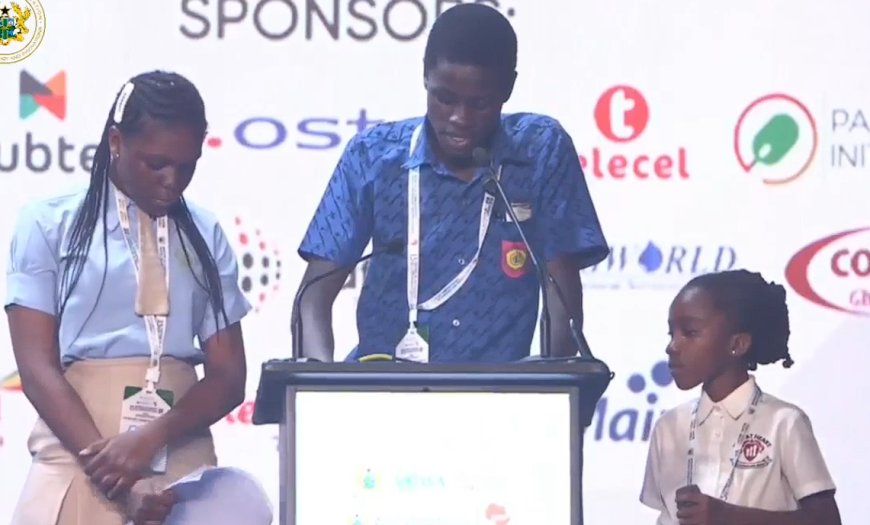
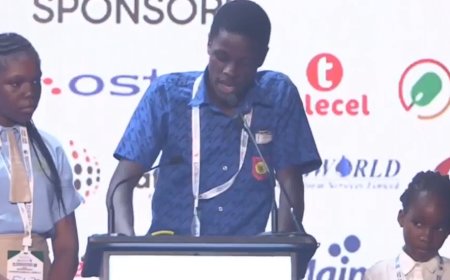
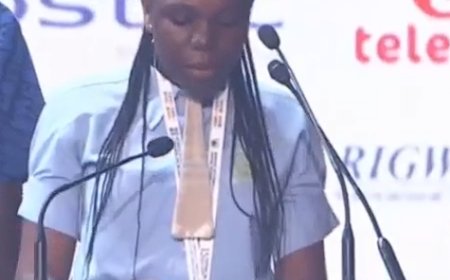
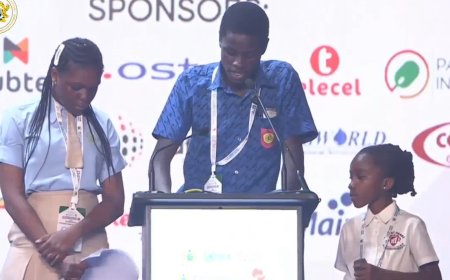
Children participating in the 15th Africa Internet Governance Forum have called on African governments and education authorities to introduce practical digital skills education from the primary school level, warning that knowing how to operate a mobile phone does not necessarily mean a child understands how to use the internet safely and responsibly.
The children, aged between eight and 17, said digital education must go beyond basic computer literacy to include online safety, identifying misinformation, protecting personal information, coding and the responsible use of artificial intelligence.
In a declaration presented at the forum, the young participants said they wanted practical lessons that would prepare them to navigate an increasingly technology-driven society.
"Knowing how to use a phone is not the same as knowing how to use the internet safely and wisely," the declaration stated.
They called on education ministries, schools, governments and development partners to introduce age-appropriate digital skills programmes from primary school onwards.
The children also urged authorities to invest in training teachers to confidently deliver lessons on digital literacy, online safety and responsible technology use.
Among the areas they identified for inclusion in the curriculum are coding, research, video production, media creation, problem-solving, privacy protection and responsible artificial intelligence use.
They further called for learning materials to be made available in different African languages, with offline options for children who lack reliable internet access.
On misinformation, the young participants said children must be taught how to establish the origin of information, compare claims with trusted sources and avoid being misled by sensational headlines.
They also called for artificial intelligence to be introduced in ways that support children's learning and creativity without replacing their independent thinking.
The declaration acknowledged that AI could provide useful educational opportunities but raised concerns about inaccurate information, misuse of personal data, discrimination and the limited understanding of African languages and cultural experiences by some AI systems.
The children therefore urged schools, governments and technology companies to explain artificial intelligence in ways that young users of different ages could understand, particularly its capabilities, limitations and potential risks.
They also called on companies developing AI tools to strengthen safeguards for children's personal information, establish accessible reporting mechanisms and ensure that their products do not discriminate based on language, disability, gender, location or background.
Teachers were encouraged to demonstrate how AI could support learning and creativity rather than become a substitute for students' own thinking or a means of presenting other people's work as their own.
The young participants further demanded opportunities to participate in discussions about digital and artificial intelligence policies that directly affect them.
They maintained that equipping children with practical digital skills was essential to ensuring they could benefit from technological advancement while protecting themselves against emerging online threats.
Click the link Puretvonline.com | WhatsApp Channel to join the WhatsApp channel
Contact/WhatsApp: +233243201960 or manuelnkansah33@gmail.com