














GNFS Blames Human Negligence for Flood Disaster

The Ghana National Fire Service (GNFS) has attributed Ghana's recurring flood disasters largely to human negligence rather than natural causes, calling for tougher sanitation laws, stricter enforcement, and major reforms in urban waste management to prevent the annual destruction caused by heavy rains.
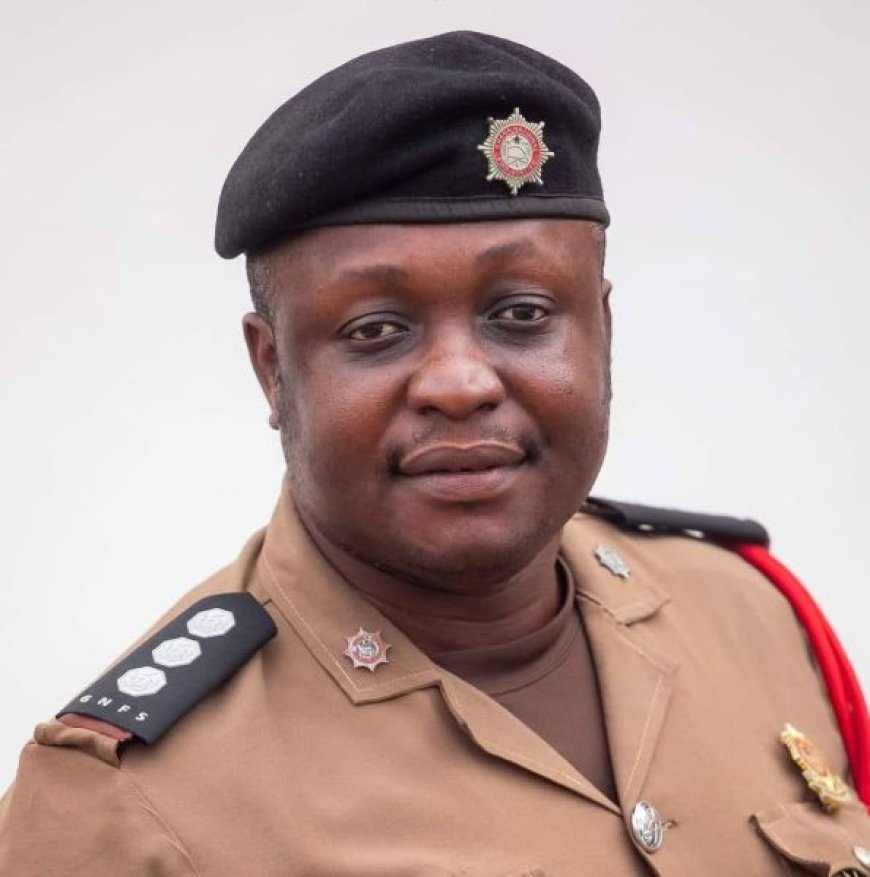
In a statement, the Service's Health, Safety and Disaster Communication Specialist and Public Relations Officer, Alex King Nartey, said the devastating floods witnessed every rainy season are the result of reckless human behaviour, particularly the indiscriminate disposal of solid waste into drains and waterways.
According to him, GNFS personnel are repeatedly deployed to rescue people trapped by floodwaters, yet many of these emergencies could have been avoided through responsible waste disposal and stronger enforcement of sanitation regulations.
"Every rainy season, the narrative remains tragically identical. Streets transform into raging rivers, properties worth millions of cedis are destroyed, and precious lives are cut short," he stated.
Mr Nartey stressed that while floods are often described as natural disasters, many of Ghana's flooding incidents are man-made.
"We have engineered our own crises through the irresponsible, reckless disposal of solid waste. It is time for a candid, uncomfortable conversation about civic responsibility, institutional enforcement, and the radical shifts required to save our cities from submergence," he said.
The GNFS spokesperson criticised what he described as a growing culture of irresponsibility among some members of the public, who assume political leaders or government agencies will always clear drains clogged with refuse.
"There is a pervasive, dangerous mindset among a section of our citizenry: the belief that one can indiscriminately dump refuse into gutters and open drains under the assumption that a member of Parliament, a municipal chief executive, or a government task force will eventually clean it up," he noted.
He reminded the public that drains are constructed to channel stormwater and not to serve as refuse dumps, insisting that communities must begin taking ownership of sanitation within their localities.
Mr Nartey argued that public education alone has failed to produce the needed behavioural change and proposed the introduction of tougher punitive measures against sanitation offenders.
Among the recommendations, he called for hefty mandatory fines for persons caught dumping refuse indiscriminately, with offenders who fail to pay required to undertake compulsory community service by cleaning blocked drains.
He also advocated the establishment of dedicated sanitation courts to expedite the prosecution of offenders and the introduction of a "name and shame" policy under which local assemblies would publicly identify sanitation offenders to deter others.
Beyond law enforcement, the GNFS called for long-term structural reforms to strengthen Ghana's flood resilience.
Mr Nartey urged the government to modernise the country's drainage infrastructure by replacing open drains with covered underground drainage systems that would prevent people from dumping waste into waterways.
He further recommended the deployment of CCTV cameras at illegal dumping hotspots and flood-prone areas, as well as the development of a mobile sanitation reporting application that would enable citizens to anonymously report sanitation offences.
The GNFS also appealed to metropolitan, municipal and district assemblies to improve waste collection services by ensuring affordable, reliable and accessible door-to-door refuse collection to discourage indiscriminate dumping.
Additionally, Mr Nartey called for increased investment in emergency response capabilities, urging the government to equip the Ghana National Fire Service (GNFS), the National Disaster Management Organisation (NADMO), and the Ghana Armed Forces with advanced flood response equipment, including high-capacity water pumps and specialised rescue boats.
He warned that flooding has evolved beyond an environmental challenge into a national security concern that demands coordinated action from all stakeholders.
"The Ghana National Fire Service will continue to put our lives on the line to rescue those in distress, but we cannot rescue a nation that refuses to save itself from its own habits," he said.
Mr Nartey concluded by urging both citizens and public authorities to embrace greater responsibility, warning that unless Ghana enforces accountability and transforms public attitudes towards sanitation, the country will continue to suffer devastating floods each rainy season.
Click the link Puretvonline.com | WhatsApp Channel to join the WhatsApp channel
GOT A STORY?
Contact/WhatsApp: +233243201960 or manuelnkansah33@gmail.com