



MTN’s Adwoa Afriyie Wiafe: “We Must Build Tomorrow Today—Sustainability Is Not Optional; It Is Survival”
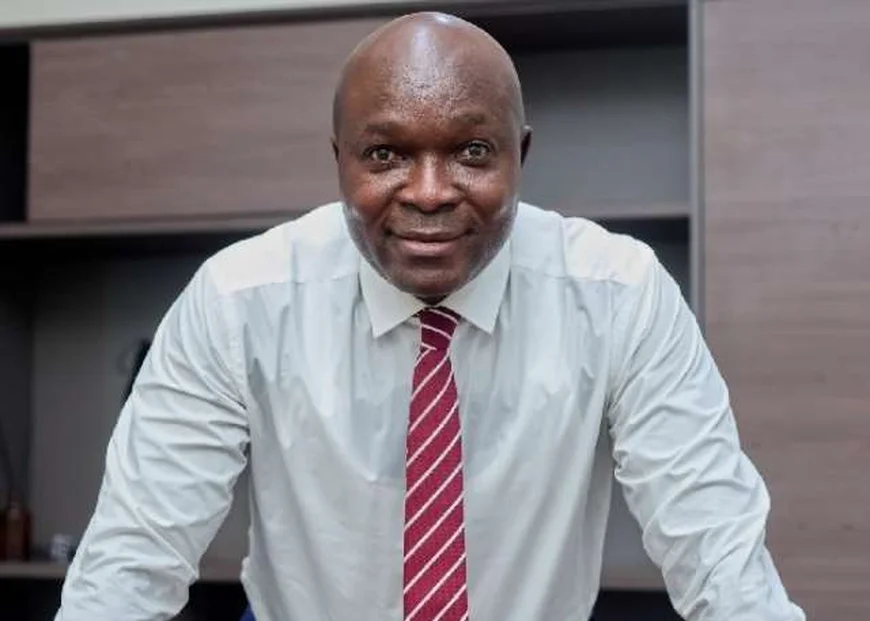
MTN Ghana’s Chief Corporate Services and Sustainability Officer, Adwoa Afriyie Wiafe, has delivered a compelling call to action on the future of responsible business, stressing that sustainability must be embedded at the centre of corporate strategy if companies hope to remain relevant and resilient for generations. Speaking during an engagement on MTN’s sustainability agenda, Mrs […]

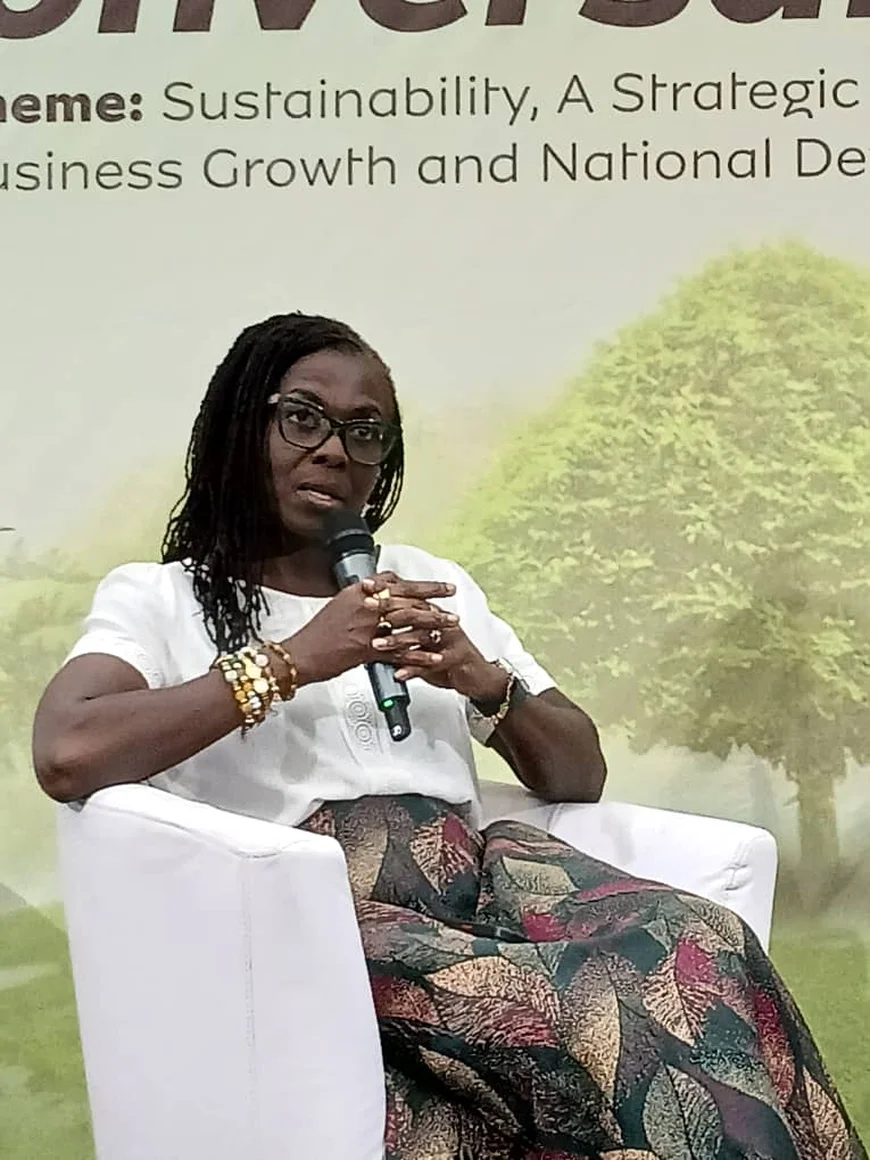
MTN Ghana’s Chief Corporate Services and Sustainability Officer, Adwoa Afriyie Wiafe, has delivered a compelling call to action on the future of responsible business, stressing that sustainability must be embedded at the centre of corporate strategy if companies hope to remain relevant and resilient for generations.
Speaking during an engagement on MTN’s sustainability agenda, Mrs Wiafe underscored that the future Ghanaians hope for—safe, productive, inclusive and prosperous—will depend entirely on the decisions institutions make today.
“We have to make sure that we are laying the groundwork for the future today,” she said. “We say ‘doing tomorrow today, because the future we desire will only arrive if we start building it now.”
According to Mrs Wiafe, sustainability has evolved far beyond philanthropy or image-building. For MTN, it has become a strategic imperative tied directly to business continuity and long-term survival.
“Sustainability is about survival,” she explained. “You cannot claim to be a business built for the long term if the way you operate destroys the very ecosystem you depend on.”
She emphasised that global companies that have stood strong since the 1800s did so because they constantly reinvented themselves to remain relevant—often unconsciously practising principles that today fall under sustainability.
Mrs Wiafe outlined three major drivers behind MTN’s sustainability efforts:
1. Environmental Resilience
MTN operates towers, data centres and infrastructure embedded in communities and landscapes. Environmental degradation or climate-related disruptions could cripple operational capacity.
“How are we protecting the environment so that it does not have a blowback effect on our business?” she asked.
“Anything that affects the environment affects our facilities, our productivity, and ultimately our profitability.”
2. Social Stability and Community Trust
Communities are not just hosts—they are stakeholders. Misalignment with local needs can spark social resistance or boycotts, which have destroyed global brands in the past.
“You don’t want social activism or boycotts against your business,” Wiafe warned.
“You must treat communities well, embed sustainability in your processes, and ensure trust, or the business will not stand.”
3. Strong Governance Structures
Robust governance ensures that sustainability is not a slogan but a practised standard.
“You need the right structures and processes,” she noted. “Because the end does not justify the means—the means must also be clean.”
Sustainability, she argued, also accelerates innovation, pushing MTN to reimagine how it delivers services.
“We are thinking of how to bring business to the doorstep of our customers—into their living rooms, their bedrooms, their sofas,” she said.
MTN is also integrating inclusive design, such as features for persons with disabilities, into apps and platforms.
“When you think about inclusion, you innovate. You design for everyone.”
In today’s global investment landscape, companies are evaluated on both performance and the ethics behind that performance.
“Our investors want to know how we get there,” Mrs Wiafe revealed. “It’s no longer enough to present financial results. They want to see the integrity of the journey.”
She emphasised that sustainable practices attract modern investors who are increasingly leaning toward ESG-driven portfolios.
Mrs Wiafe concluded with a message that extends beyond MTN to Ghana as a whole.
“To guarantee a safe, productive future for everyone, we must start now. The future we want will not happen by accident. We must build it—deliberately, responsibly, and sustainably.”
Click the link Puretvonline.com | WhatsApp Channel to join the WhatsApp channel
GOT A STORY?
Contact/WhatsApp: +233243201960 or manuelnkansah33@gmail.com