









High Court Grants OSP Anonymity For Key Witness in Charles Bissue Corruption Trial
The Criminal Division of the High Court has granted a critical application by the Office of the Special Prosecutor (OSP) to protect its first witness in the high-profile corruption case involving former Inter-Ministerial Committee on Illegal Mining (IMCIM) Secretary, Charles Bissue, and two others. In a ruling delivered by Justice Audrey Kocuvie-Tay, the court approved […]

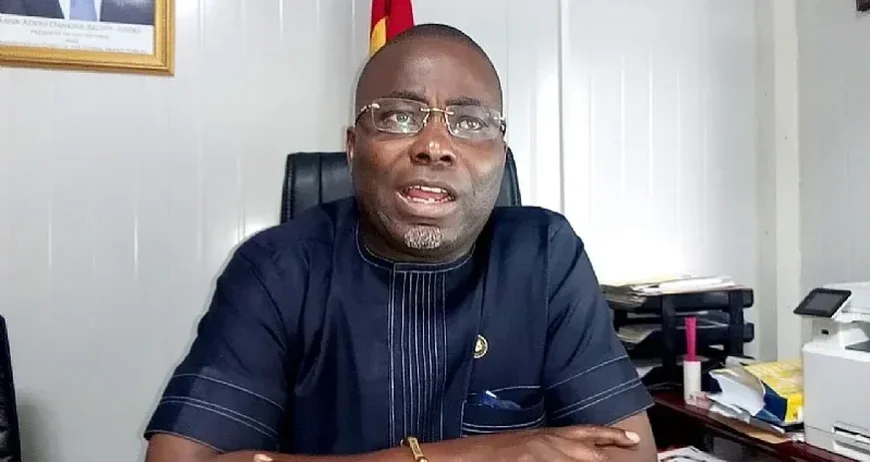
The Criminal Division of the High Court has granted a critical application by the Office of the Special Prosecutor (OSP) to protect its first witness in the high-profile corruption case involving former Inter-Ministerial Committee on Illegal Mining (IMCIM) Secretary, Charles Bissue, and two others.
In a ruling delivered by Justice Audrey Kocuvie-Tay, the court approved the OSP’s request for the witness, undercover investigator Benjamin Agyepong, to testify in camera due to a substantial risk to his life should his identity be publicly exposed.
The judge agreed that the volatile nature of illegal mining (galamsey), which is dominated by powerful networks and violence, made the witness particularly vulnerable.
The case involves three former IMCIM officials, who face eight counts in total, centred on corruption, abuse of public office, and abetment:
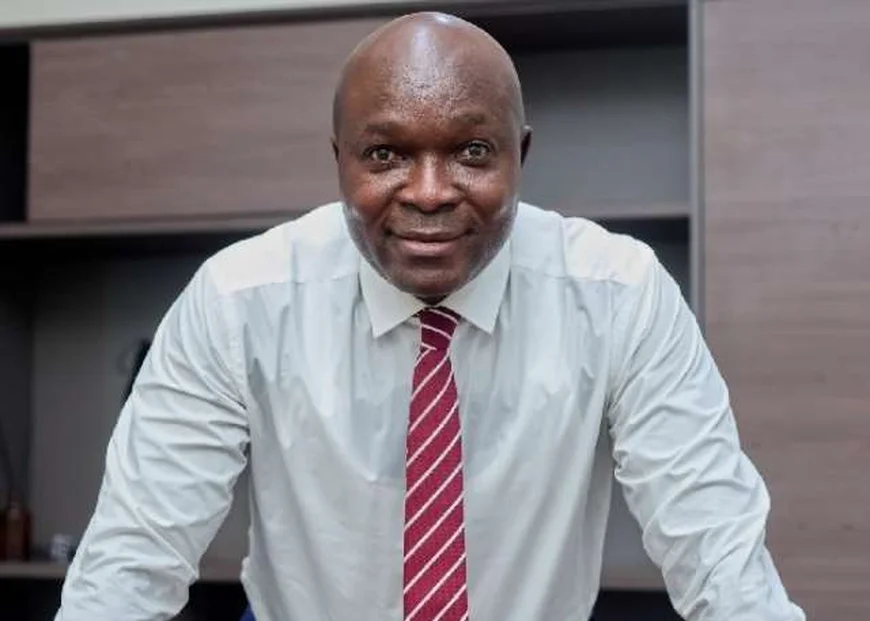
- Charles Cromwell Nanabanyin Onuawonto Bissue – First Accused and former Secretary to the IMCIM; charged with six counts of corruption and using public office for private gain.
- Raphael Mensah – Second Accused and former Systems Manager for the GalamStop software; charged with abetment of corruption and exploiting public office for profit.
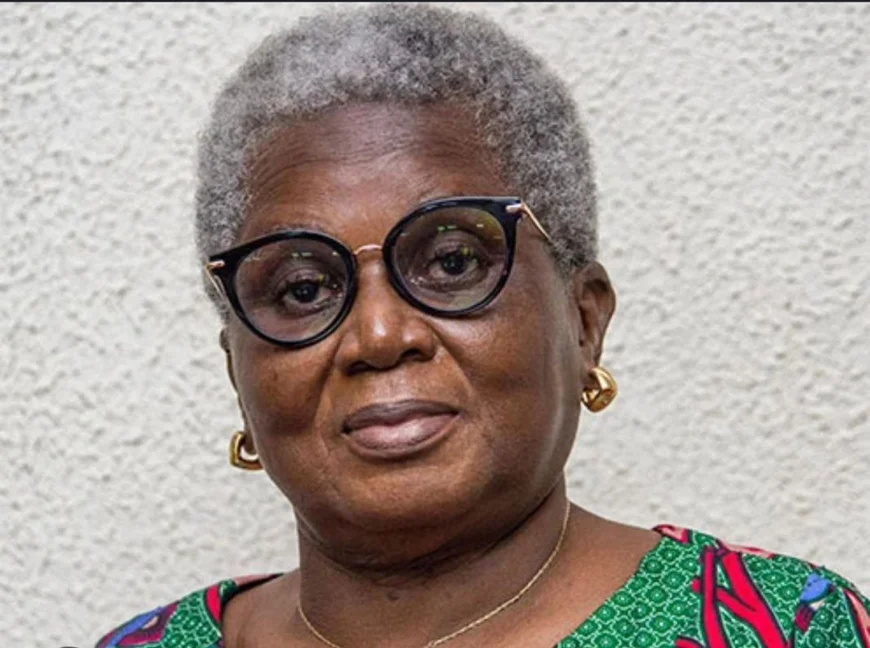
- Dr Naa Dedei Tagoe – Third accused and former project coordinator for IMCIM; also charged with abetment of corruption.
All three have pleaded not guilty.
The charges stem from the investigative documentary “Galamsey Fraud Part I” by Tiger Eye P.I., which alleged that the accused sidestepped IMCIM procedures to favour an unqualified company in exchange for benefits.
Defence lawyers opposed the OSP’s request for a closed-door testimony, arguing that it undermines constitutional guarantees of transparency and public access to court proceedings. They questioned the necessity of witness anonymity and even challenged the legitimacy of the undercover investigator’s employment records.
They also contested a separate application to allow an investigative journalist involved in the exposé to testify, insisting on stricter scrutiny.
But the court, relying on Article 19(5) of the 1992 Constitution and Section 102 of the Courts Act, upheld the OSP’s argument that witness safety is paramount when public exposure poses grave danger. The judge stressed that the law permits temporary exclusion of the public when required for the protection of individuals.
The trial has been adjourned to January 12, 2026, when proceedings will begin under tightened security.
The case marks a significant test of the OSP’s ability to pursue corruption linked to the illegal mining sector—a multi-billion-dollar criminal economy that has devastated Ghana’s environment and drained national revenue.
Analysts note that the extraordinary security measures echo the chilling memory of the murder of investigative journalist Ahmed Suale, underscoring the lethal risks faced by anti-graft investigators.
The OSP’s firm stance in the Bissue case follows unsuccessful attempts by the former IMCIM secretary to halt his arrest and investigation through the courts. The agency maintains that accountability in the fight against galamsey is crucial to Ghana’s economic and environmental stability.
The broader economic impact is far-reaching: funds lost to illegal mining-related corruption could help resolve pressing national issues, including the long-standing unemployment of thousands of qualified but unposted graduate nurses and midwives, who continue to put pressure on the government for immediate clearance and recruitment.
As the trial resumes in January 2026, all eyes will be on the High Court to see whether this landmark case strengthens Ghana’s anti-corruption resolve in the country’s most dangerous sector.
Click the link Puretvonline.com | WhatsApp Channel to join the WhatsApp channel
GOT A STORY?
Contact/WhatsApp: +233243201960 or manuelnkansah33@gmail.com