
















Gov’t Misses Treasury Bill Target by Nearly 30% as Investor Confidence Wavers
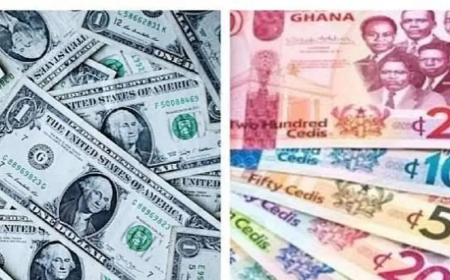
The Government of Ghana has suffered a major setback in its short-term borrowing efforts after falling significantly short of its Treasury bill target, raising fresh concerns about investor confidence and the country’s financing strategy. Results from the latest auction released by the Bank of Ghana show that the government failed to meet its GH¢7.57 billion […]

The Government of Ghana has suffered a major setback in its short-term borrowing efforts after falling significantly short of its Treasury bill target, raising fresh concerns about investor confidence and the country’s financing strategy.
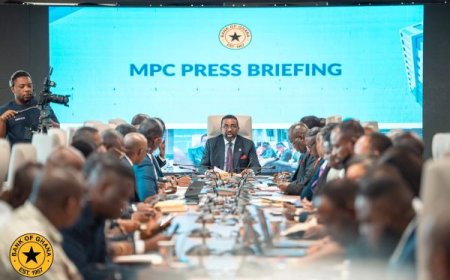
Results from the latest auction released by the Bank of Ghana show that the government failed to meet its GH¢7.57 billion target, securing only GH¢5.3 billion in bids, representing a shortfall of nearly 30 per cent.
Out of the total bids received, GH¢5.11 billion was accepted, indicating cautious participation by investors despite relatively attractive interest rates.
The 91-day Treasury bill emerged as the clear favourite among investors, attracting GH¢4.44 billion in bids, with almost the entire amount accepted. Similarly, the 182-day bill saw full uptake, with GH¢521.96 million both tendered and accepted.
However, confidence weakened sharply at the long end of the market. The 364-day bill recorded significantly lower demand, with only GH¢162.59 million accepted out of GH¢348.94 million in bids. Analysts say this reflects growing investor reluctance to lock in funds for longer periods amid economic uncertainty and rising yields.
Interest rates rose across all instruments, signalling increased borrowing costs for the government. The 91-day bill climbed to 4.91 per cent, while the 182-day bill rose to 6.77 per cent. The 364-day bill saw the sharpest jump, reaching 9.97 per cent.
The wide range of accepted bid rates, especially for the 364-day bill, highlights heightened risk perception among investors, who are demanding higher returns to compensate for longer-term exposure.
The under-subscription marks a sharp contrast to the previous auction, where the government raised GH¢2.95 billion from GH¢3.17 billion in bids. The latest figures suggest that the government’s increased borrowing target may have outpaced investor appetite.
With the next auction (Tender 2003) set at a lower target of GH¢4.89 billion, it appears authorities are recalibrating their strategy in response to tightening market conditions.
The development signals potential pressure on government financing in the short term, as weaker demand could force authorities to either offer even higher interest rates or explore alternative funding sources.
For investors, however, the trend presents a mixed picture: short-term instruments remain attractive and relatively stable, while longer-term securities offer higher returns but come with increased risk and uncertainty.
Click the link Puretvonline.com | WhatsApp Channel to join the WhatsApp channel
GOT A STORY?
Contact/WhatsApp: +233243201960 or manuelnkansah33@gmail.com