
















Bank of Ghana Undertakes Bold Gold Reserve Diversification to Strengthen Economy
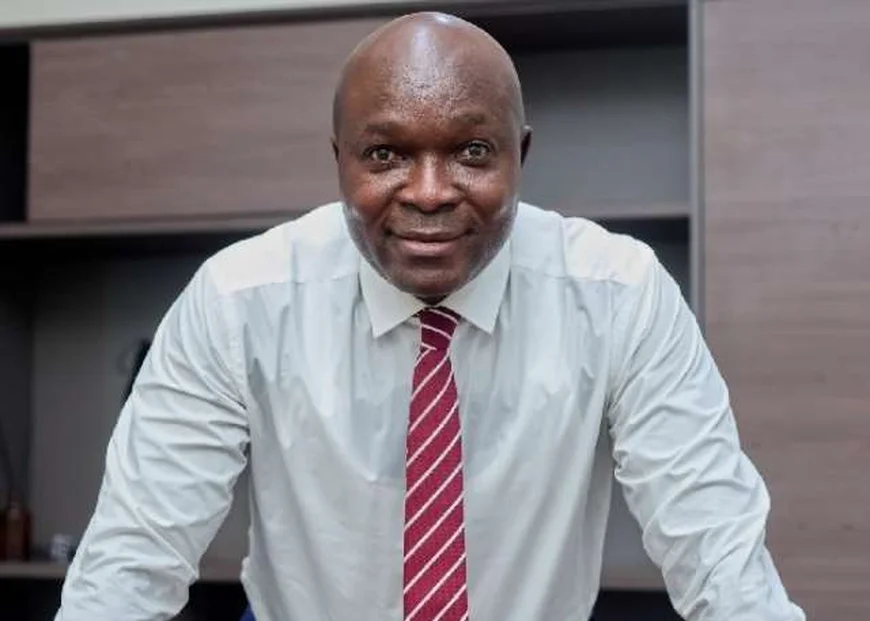
The governor of the Bank of Ghana has outlined the strategic reserve management measures taken to strengthen Ghana’s external buffers, including the diversification of part of the country’s gold holdings. Addressing the Parliamentary Committee on Economy and Development, Governor Dr Johnson Pandit Asiama explained that Ghana’s gold remains fully part of the nation’s reserves and […]


The governor of the Bank of Ghana has outlined the strategic reserve management measures taken to strengthen Ghana’s external buffers, including the diversification of part of the country’s gold holdings.
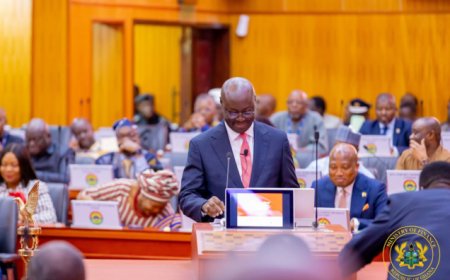
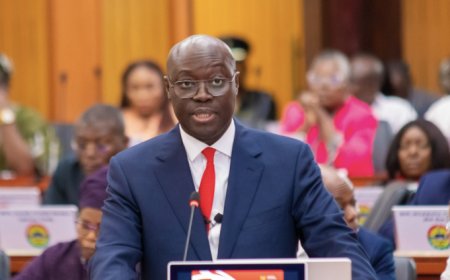
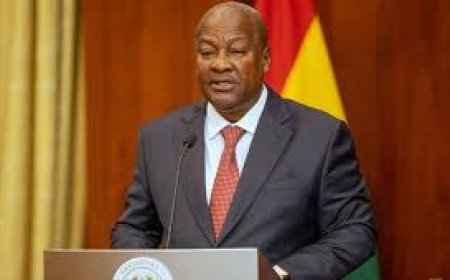
Addressing the Parliamentary Committee on Economy and Development, Governor Dr Johnson Pandit Asiama explained that Ghana’s gold remains fully part of the nation’s reserves and that the move involved a rebalancing of the reserve portfolio rather than a reduction in assets.
“Ghana’s gold reserves remain part of our national reserves; what changed was the composition of those reserves,” the governor told Members of Parliament.
Dr Asiama noted that the Domestic Gold Purchase Programme significantly boosted Ghana’s gold holdings in recent years. Before the programme was introduced, the Bank of Ghana held about 8.7 tonnes of gold, but sustained purchases increased the country’s total gold reserves to over 40 tonnes by October 2025.
READ ALSO: NPP Renews Cocoa Farm Visits in a Bid to Revive Dead Cocoa Price Campaign
However, developments in the global market also altered the structure of Ghana’s reserve portfolio. Between January and October 2025, global gold prices surged by approximately 62 per cent, substantially increasing the value of the bank’s gold holdings.
As a result of both higher accumulation and rising prices, gold came to account for about 42 per cent of Ghana’s Gross International Reserves, creating a significant concentration in a single asset class.
Dr Asiama pointed out that Ghana’s status as one of the world’s leading gold producers already exposes the broader economy to fluctuations in gold prices, making diversification of reserves particularly important.
While acknowledging that gold remains a critical reserve asset, the governor explained that excessive concentration in one asset class can create portfolio concentration risk.
At the time the rebalancing decision was taken, gold prices had already risen sharply and were trading at historically high levels. However, Dr Asiama stressed that central banks do not base reserve management decisions on short-term market speculation.
“Central banks do not manage reserve portfolios based on short-term price forecasts. Reserve management focuses on maintaining an appropriate balance between liquidity, safety, and diversification,” he said.
He added that international reserve management practices encourage diversification. Data from the World Gold Council, along with frameworks referenced by institutions such as the International Monetary Fund (IMF), indicate that most countries maintain a lower proportion of their reserves in gold as part of a balanced portfolio.
Dr Asiama further explained that reserve management strategies must reflect the specific economic realities of countries like Ghana.
“Unlike advanced economies whose currencies serve as global reserve assets and whose financial markets are deep and highly liquid, countries like Ghana rely more directly on their international reserves to stabilise the foreign exchange market and respond to external shocks,” he stated.
“For that reason, reserves must not only be valuable; they must also be liquid, diversified, and readily usable when needed.”
The bank, therefore, undertook a measured portfolio rebalancing by converting a portion of its gold holdings into foreign exchange assets to restore a more balanced reserve composition.
The Governor emphasised that the move did not result in any loss of national assets, as the proceeds remain fully invested within Ghana’s international reserves, thereby strengthening the liquidity and earning capacity of the reserve portfolio.
He also clarified that the conversion was executed at prevailing international spot prices through established global financial institutions that regularly transact with central banks, and that the transaction involved no additional commissions or special payments.
Given the sharp increase in global gold prices during the period, the conversion generated substantial value for Ghana’s reserves, with the proceeds remaining fully invested as part of the country’s international reserve portfolio.
Dr Asiama concluded that the decision reflects prudent reserve management, aimed at ensuring that Ghana’s reserves remain strong, diversified, and readily available to protect the economy against external shocks.
Click the link Puretvonline.com | WhatsApp Channel to join the WhatsApp channel
GOT A STORY?
Contact/WhatsApp: +233243201960 or manuelnkansah33@gmail.com