

adverts


The Blueprint DNA Organisation has reported a growing demand for paternity testing in Ghana, as more individuals turn to scientific methods to confirm biological relationships.
The findings are contained in a new report titled “Understanding Paternity Testing in Ghana: Findings from a Nationwide Laboratory Dataset”, presented at a stakeholder and media briefing at the Ghana College of Physicians and Surgeons in Accra on Wednesday, March 25, 2026.
Speaking at the event, the Medical Director of Blueprint DNA, Dr Abeiku Ghansah, said the report is based on anonymised laboratory data and reflects trends among individuals who actively sought testing due to uncertainty about biological relationships.
adverts
“This partnership will simplify insurance processes, reduce cost barriers, and make protection more convenient for our customers,” he said.
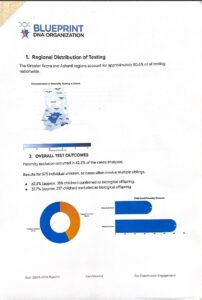
He noted that four in ten paternity tests conducted in 2025 — about 42.3 per cent — excluded the tested man as the biological father.
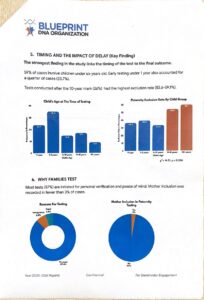
The report further shows that nearly 59 per cent of children involved in testing are under six years old, suggesting that many families seek confirmation early in a child’s life.
It also identifies a strong link between the timing of testing and outcomes, with tests conducted more than 10 years after birth recording the highest exclusion rates – between 53 and 59 per cent.
Dr Ghansah emphasised that 87 per cent of tests are conducted for personal reassurance, rather than legal or immigration purposes, highlighting the private nature of paternity concerns in Ghana.
He further urged Ghanaians to embrace responsible use of DNA testing and called for stronger regulation and public education to address its social implications.
Also speaking at the event, Dr Emmanuel Gyimah-Amankwah said the report comes at a time when national discussions around biological parentage and child identification are intensifying, including debates on possible legislation.
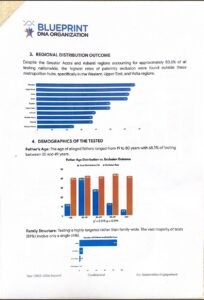
The report also highlights regional disparities, with over 80 per cent of testing concentrated in the Greater Accra and Ashanti regions, while higher exclusion rates were recorded in the Western, Upper East and Volta regions.
In addition, the briefing introduced Non-Invasive Prenatal Testing (NIPT), a new diagnostic screening method that can detect genetic conditions such as Down syndrome and Edwards syndrome from as early as eight weeks of pregnancy.
Blueprint DNA says the report forms part of its broader efforts to provide data-driven insights into DNA testing and its role in Ghana’s healthcare system and society as demand continues to rise.
Click the link Puretvonline.com | WhatsApp Channel to join the WhatsApp channel
GOT A STORY?
Contact/WhatsApp: +233243201960 or manuelnkansah33@gmail.com
