

Failed NPP Flagbearer Prediction: Bentil Urges Ghana to Trust Data, Not Prophecies

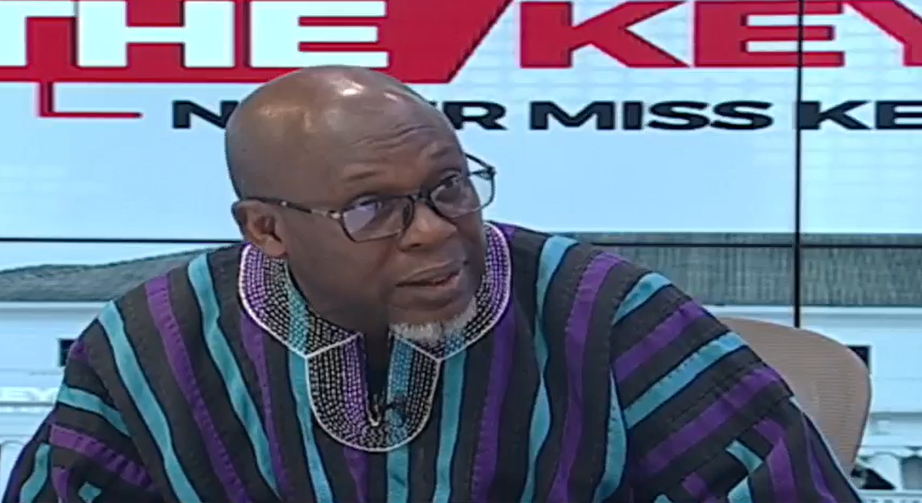
Lawyer and Senior Vice President of IMANI-Africa, Kofi Bentil, has called on Ghanaians to rely on data, evidence, and scientific polling rather than religious prophecies in political decision-making, following the New Patriotic Party’s (NPP) flagbearer election.
Speaking on TV3’s The Key Point show, Mr Bentil praised political analyst and pollster Musa Dankwa for producing an accurate pre-election poll, contrasting it with a widely publicised prophecy by Prophet Bernard El-Bernard which predicted that Hon. Kennedy Ohene Agyapong would win the NPP flagbearer race, a prophecy that failed to materialise after Dr Mahamudu Bawumia emerged victorious.
According to Mr Bentil, the outcome of the NPP contest reinforces the need for political actors and the public to “delegate to the science” and put emotions and superstition aside.
“If you are serious, you have to put your emotions aside and let the science speak,” he said. “If somebody can do it and do it right, then anyone who didn’t get it right should not blame anything else. You simply didn’t get it right.”
He argued that Ghana’s deeply religious nature often makes society vulnerable to unverified prophecies, which he said can be disturbing and even dangerous.
“We are a religious society, but we tend to overdo it. That is what gives some people the space to infiltrate and disturb us,” Mr Bentil noted. “Some of the prophecies we are seeing today talking about death and doom are totally despicable.”
Mr Bentil warned that repeated prophecies, especially those predicting death or disaster, can have serious psychological effects on individuals, even those who may not be deeply religious.
“If someone tells you three times that you will die tomorrow, whether you believe in God or not, it will affect you. It disturbs you,” he said, adding that no nation can prosper if it allows “too many noisemakers” to create fear and confusion.
He commended the Inspector-General of Police for taking steps to clamp down on harmful prophecies, stressing the need for a measured approach that does not attack religion but protects society.
Without dismissing faith entirely, Mr Bentil insisted that progress comes from effort, organisation, and accountability — not spiritual shortcuts.
“God is not partial. God will want effort,” he said, arguing that if divine selection alone determined leadership, Africa’s historical experience with poor governance would be difficult to explain.
To buttress his point, Mr Bentil cited Germany’s post-war transformation, noting that despite its dark history, the country rebuilt itself through hard work, accountability, and sound systems rather than spiritual explanations.
“The lesson is simple,” he concluded. “If we organise ourselves and do the right things, we will see the results. We need to calm down on the noise-making from the religious sector and listen more to evidence, data, and credible analysis.”
Click the link Puretvonline.com | WhatsApp Channel to join the WhatsApp channel
GOT A STORY?
Contact/WhatsApp: +233243201960 or manuelnkansah33@gmail.com
